Shanghai the city on the Sea
From the series: Cities we love
Contributed by feature reporter Jens Hoffmann
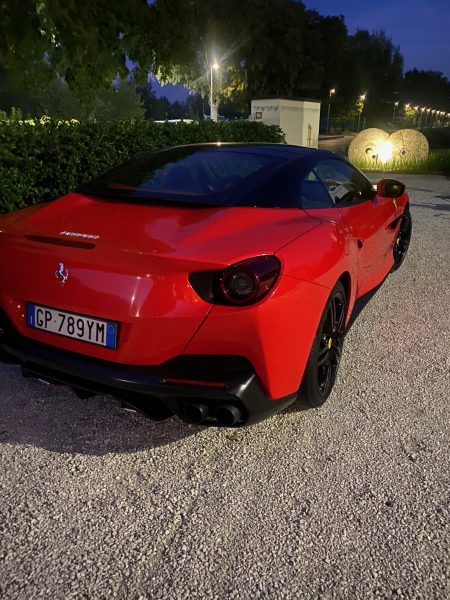
Shanghai is a city flush with Ferraris and money, but beneath all the excess, there are more and more culinary and art joy.
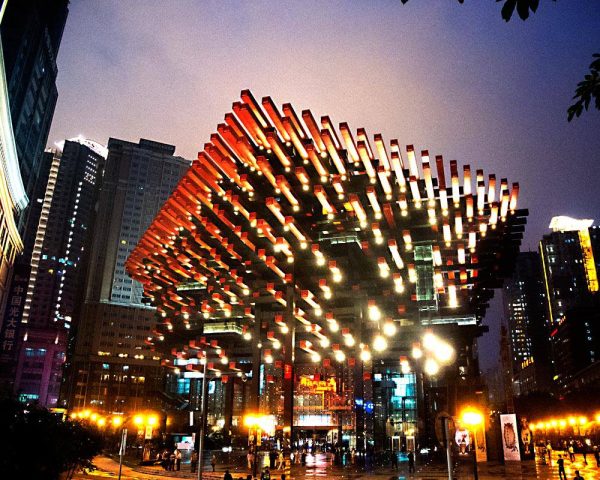
Shanghai’s appeal has long been its breathtaking skyline, glitzy night life and brash, anything-goes attitude.
In recent years, though, China’s commercial capital has started to develop a more sophisticated side.
A host of high-profile museum openings and the launch of several influential art fairs have solidified Shanghai’s status as a major player in the art world.
While new performing arts venues like the Shanghai Symphony Orchestra have vastly improved its theater and music offerings.
Yes, there are still shopping malls aplenty, but also, increasingly, bookstores, creative entrepreneurs and seriously amazing houses.
Shanghai offers sometimer more substance than even Bangkok.
For a city its size, Shanghai had been famously short on green space.
But the city splashed out to build its Museum Mile, along with a riverside park, in a new district known as West Bund.
The Yuz Museum housed in a Sou Fujimoto-designed former aircraft hangar, has been at the forefront of the cultural awakening here, hosting high-profile shows featuring Andy Warhol, Alberto Giacometti and the Brooklyn-based artist Kaws.
A short walk down the river is a fast-growing arts complex filled with studios and galleries, including the venerable Shang Art.
It contains works by Chinese artists and sells pieces by more established names like Zhou Tiehai and Ding Yi.
It’s hard to fathom that the futuristic skyline of the Pudong financial district was little more than farmland years ago.
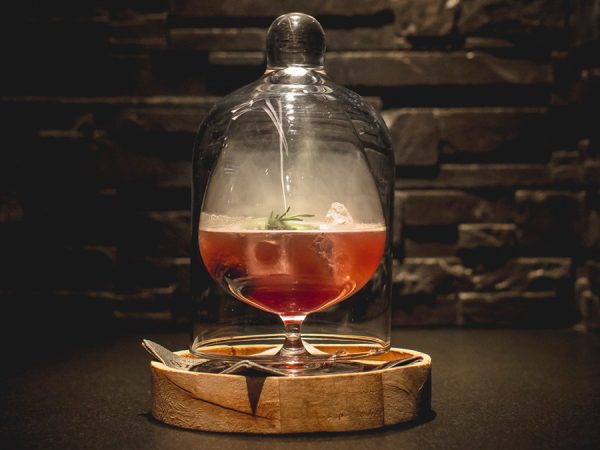
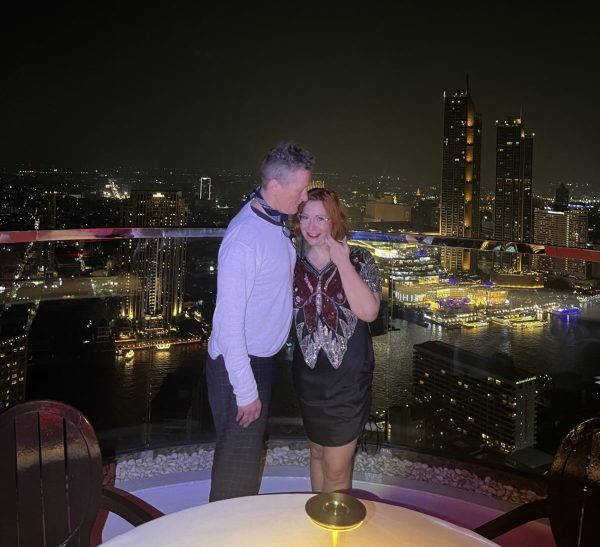
Its fun to enjoy a cocktail and taking in the fantastic light show at sunset, when the gleaming towers are illuminated with flashing “I Heart Shanghai” messages, and boats, twinkling with lights, glide by on the river.
Perches abound for this neon-bathed sundowner, but the 30th floor balcony at the Hotel Indogo Bar offers cocktails and basic Aperol spritz joy.
A little history lesson.
After the first Opium war, the British bulded a port and declared the city ready to explore.
It was 1842 when Shanghai turned into a city carved up into autonomous concessions administered concurrently by the British, French, and Americans, all independent of Chinese law.
Each colonial presence brought with it its particular culture, architecture, and society.
Although Shanghai had its own walled Chinese city, many native residents still chose to live in the foreign settlements.
Thus began a mixing of cultures that shaped Shanghai’s openness to Western influence.
Shanghai became the place to be,it had the greatest architecture, and the strongest business in Asia.
With dance halls, brothels, glitzy restaurants and amazing international clubs.
Shanghai was a city that catered to every whim of the rich.
But poverty ran alongside opulence, and many of the lower-class Chinese provided the cheap labor that kept the city running.
The Paris of the East became known as a place of vice and indulgence.
Amid this glamour, the Communist Party held its first meeting in 1921.
The city weathered raids, invasions, then outright occupation by the Japanese.
By 1943, at the height of World War II, most foreigners had fled and the concessions had been ceded to the Japanese, bringing Shanghai’s 101 years as a treaty port to a close.
Despite the war’s end, fighting continued as Nationalists and Communists fought a three-year civil war for control of China.
The Communists declared victory in 1949 and established the People’s Republic of China.
Closed off from the outside world with which it had become so comfortable, Shanghai fell into a sleep.
Fashion, music, and romance gave way to uniformity and the reality of Communism.
The decades from 1950 to 1980 passed by with one Five Year Plan after another, marked by periods of extreme famine and drought, reform and suppression.
Shanghai’s industries soldiered on during these years; the city remained the largest contributor of tax revenue to the central government.
Shanghai was ready for the Cultural Revolution and hosted the meeting that would help lay the groundwork for the China of today.
Premier Zhou Enlai and U.S. president Richard Nixon signed the Shanghai Communiqué, which enabled the two countries to normalize relations and encouraged China to open talks with the rest of the world.
Twenty years later, the 14th Party Congress endorsed the concept of a socialist market economy, opening the door ever wider to foreign investment.
Today Shanghai has once again become one of China’s most open cities ideologically, socially, culturally, and economically, striving to return to the internationalism that defined it before the Revolution.
Shanghai’s path to this renewed prominence began in 1990 when China’s leader, Deng Xiaoping, chose it as the engine of the country’s commercial renaissance, aiming to rival Hong Kong by 2010.
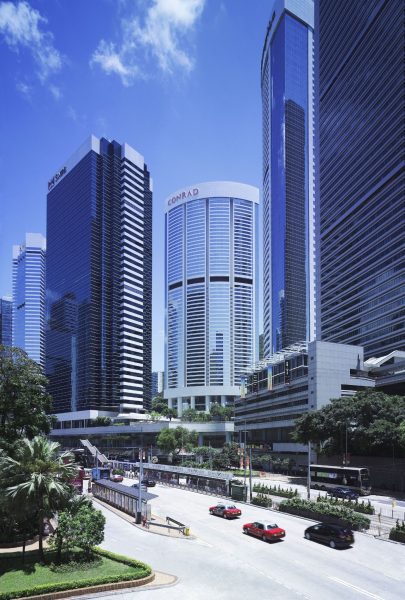
If China is a dragon, Shanghai is once again all about business.
Having embraced competition and a market-driven economy in just a few years, it hosts the nation’s stock market and serves as industrial base in the nation.
Today, beauty and charm coexist with kitsch and commercialism.
A bit like in Bangkok.

From the colonial architecture of the former French Concession to the forest of cranes and the neon-lighted high-rises jutting above the city.
The city on the Sea, my “Paris of Asia” is just cool.
